As a homeowner, I’ve learned—sometimes the hard way—that the small exterior details of a home often do the biggest jobs. One such detail is Fascia on a House. Many people notice it only when something goes wrong, yet it plays a vital role in protecting the roofline, walls, and even the foundation of a home.
In this guide, I’ll explain fascia in simple terms, share real-life experience, and help you understand why it deserves attention just like roofing, siding, or Best Roof Designs when planning or maintaining a home.
Content
Understanding the Basics of Fascia on a House
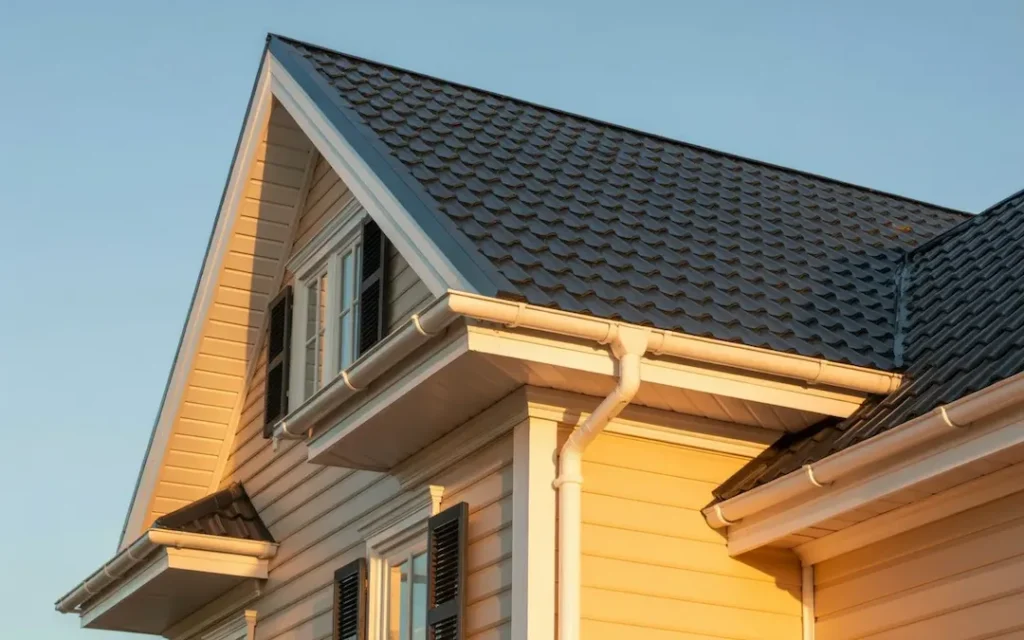
To put it simply, fascia is the long, straight board that runs along the lower edge of your roof. The house fascia meaning is often misunderstood, but it refers to the horizontal finishing board that connects the roof structure to the outer walls. It creates a clean edge while sealing off vulnerable parts of your home from weather and pests.
Many homeowners ask, what is fascia on a house used for? From my experience, its main purpose is to protect the roof’s edge while providing a secure mounting surface for gutters.
Where Fascia Fits in Your Home’s Structure
If you’re wondering where is fascia located on a house, look just beneath the roof shingles at the roofline. This area may look simple, but roof fascia explained properly reveals how critical it is in supporting roof integrity.
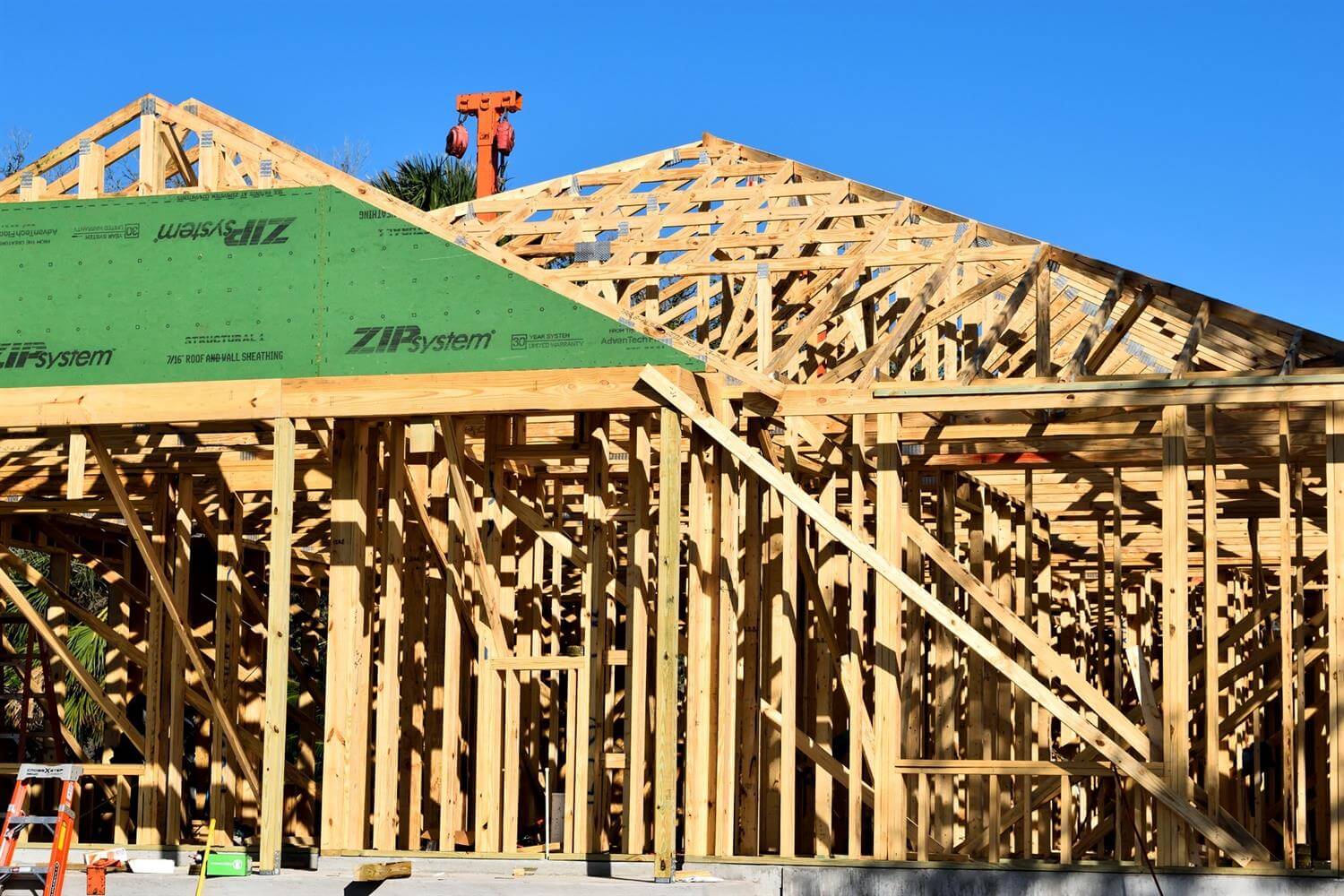
The fascia board on a house is attached directly to the ends of roof rafters. Without it, the roofline would be exposed to moisture, wind-driven rain, and nesting insects.
Fascia vs Soffit: A Common Confusion
One of the most frequent questions I get from readers is about fascia vs soffit. While both work together, they serve different purposes. Fascia runs vertically along the roof edge, while soffit covers the underside of the roof overhang.
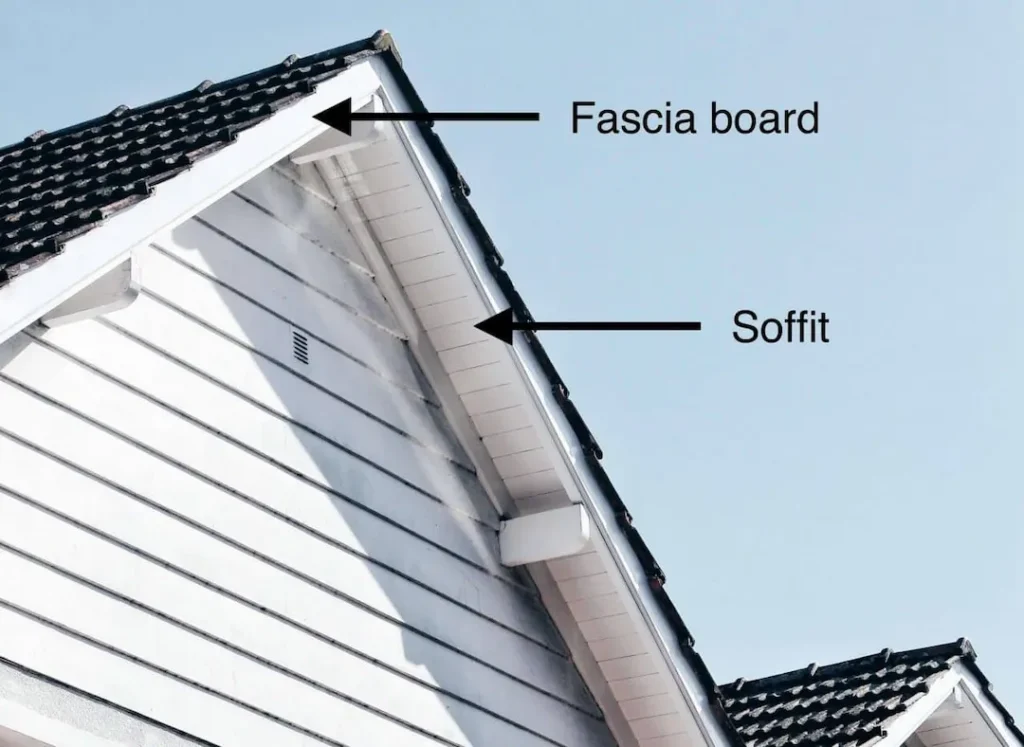
In one renovation project I worked on, the soffit looked fine, but the fascia had rotted behind the gutters. This showed me how easy it is to overlook fascia when focusing only on visible damage.
Materials and Styles Used in Fascia
Modern homes use different materials for exterior fascia boards, including wood, PVC, aluminum, and composite materials. Each has its advantages. Wood looks classic but needs care, while PVC and aluminum are more durable and low-maintenance.
The fascia trim on house also contributes to curb appeal. A clean, well-painted fascia gives the roofline a sharp, finished look that complements the rest of the exterior design.
The Practical Function of Fascia
The fascia board function goes beyond looks. It protects the roof edges from moisture intrusion and provides essential structural support. One overlooked benefit is how fascia supports gutters. Gutters are mounted directly to fascia, meaning weak or damaged boards can lead to sagging gutters and water overflow.
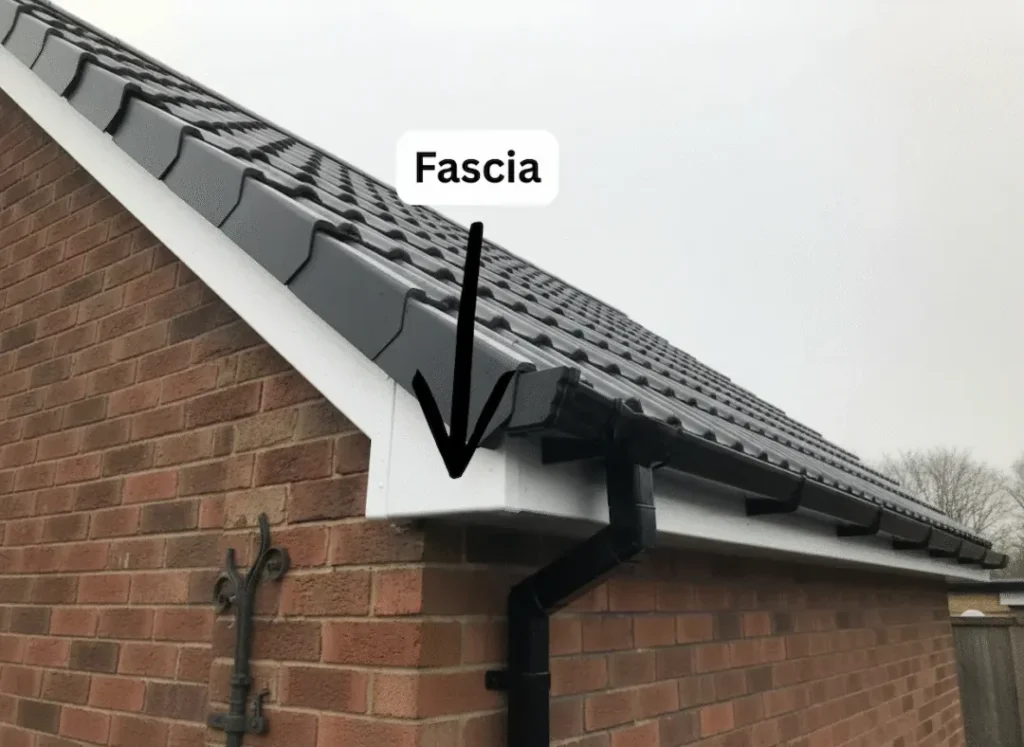
From experience, I’ve seen water damage travel from loose gutters straight into walls—something that could have been prevented with solid fascia.
Signs Your Fascia Needs Attention
Over time, exposure to rain and humidity can take a toll. Common signs of damaged fascia on a house include peeling paint, visible cracks, sagging gutters, and soft wood when pressed.
I once ignored peeling paint on my fascia, thinking it was cosmetic. Within a year, moisture had crept in, and replacement became unavoidable. That lesson taught me the importance of early inspection.
Fascia Maintenance: A Small Effort That Pays Off
Regular fascia maintenance can extend its lifespan by many years. Simple steps like repainting, sealing gaps, and checking gutter alignment can prevent major repairs.
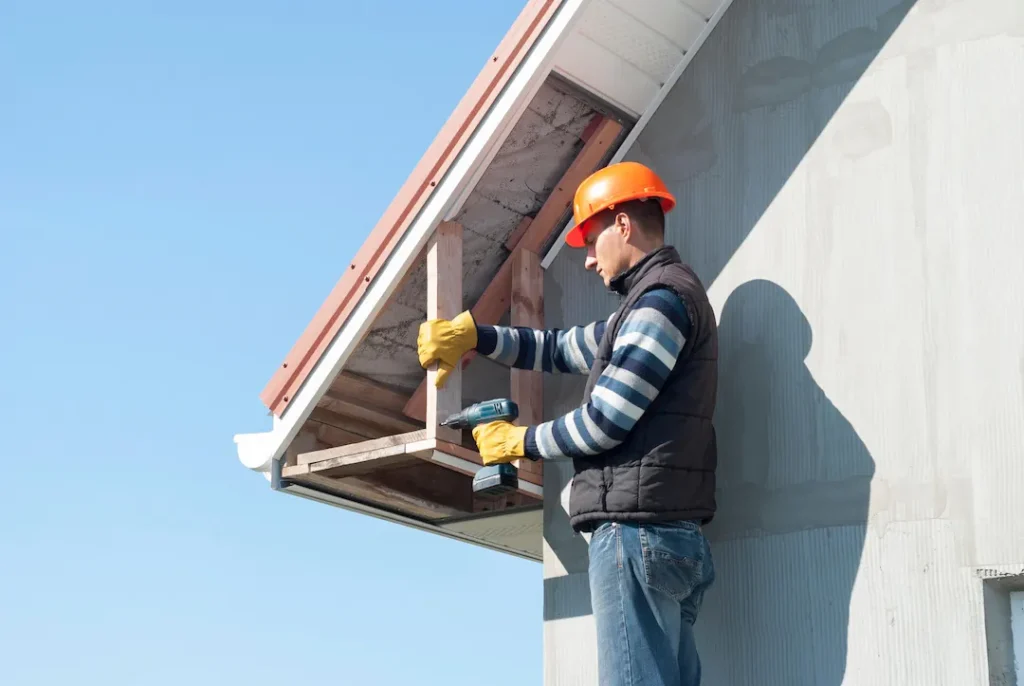
I recommend inspecting fascia twice a year—especially after heavy storms. This habit has saved me money and helped maintain my roof’s overall health.
Real-Life Case Study: A Costly Lesson Turned Smart Upgrade
A neighbor of mine recently experienced water stains inside their living room. The issue wasn’t the roof shingles but rotted fascia hidden behind clogged gutters. Once repaired, they upgraded to moisture-resistant fascia boards and redesigned their gutter system.
The result? Better drainage, improved curb appeal, and long-term protection. This real-life case shows how fascia is not just a minor detail but a core part of the home’s exterior system.
Final Thoughts: Why Fascia on a House Truly Matters
Fascia on a HouFascia on a House Explained: What It Is, Why It Matters, Repair Tipsse may not be the most talked-about feature, but it quietly protects your home every day. From supporting gutters to sealing roof edges, it plays a role in both function and appearance.
By understanding fascia, spotting early warning signs, and maintaining it properly, homeowners can avoid expensive repairs and keep their homes looking sharp for years to come. Whether you’re building new or upgrading an older home, fascia deserves a place in your planning checklist—right alongside roofing style and overall exterior design.
FAQs
How long does fascia on a house usually last?
Fascia on a House can last 15–30 years, depending on material quality, climate exposure, and regular upkeep.
Is fascia replacement expensive for homeowners?
Replacement cost varies by exterior fascia boards, labor, and damage level, but early repair is far cheaper than full replacement.
Can fascia be painted to improve durability?
Yes, painting fascia trim on house helps seal moisture, prevent rot, and extend lifespan when done with exterior-grade paint.
Should fascia be replaced during roof upgrades?
During roof updates or Best Roof Designs changes, replacing weak fascia ensures better support and long-term protection.
Is professional installation better than DIY fascia work?
Professional installation ensures correct fascia board function, proper gutter alignment, and fewer future repair issues.

My name is Dana Benally. I post about home improvement ideas and how to make your home look beautiful and liveable. I hope my posts will help you with your DIY projects!